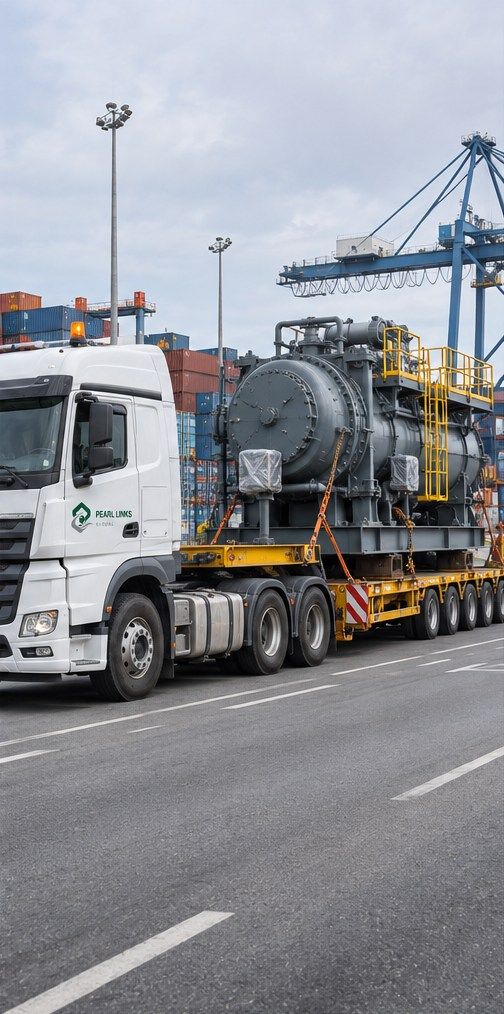
Special cargo handling
We review how the cargo needs to be loaded, secured and transferred. Handling requirements can affect the choice of equipment, the transfer point and the sequence of operations.
The tightest turn on a delivery road can matter as much as the weight of the machine. Send the load drawing and describe both sites so we can review the route, equipment and unloading arrangements with the operators involved.
Email us for a quote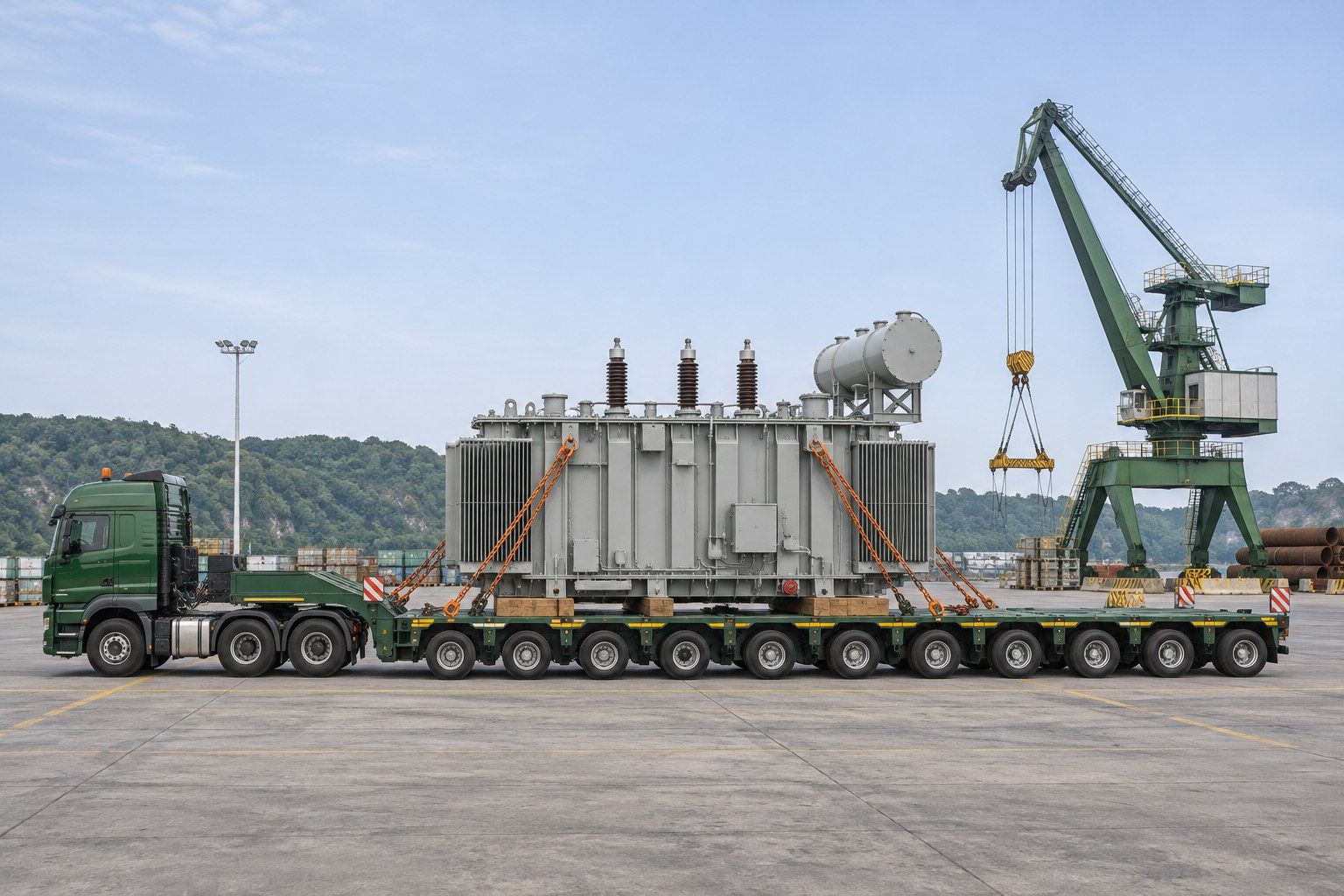
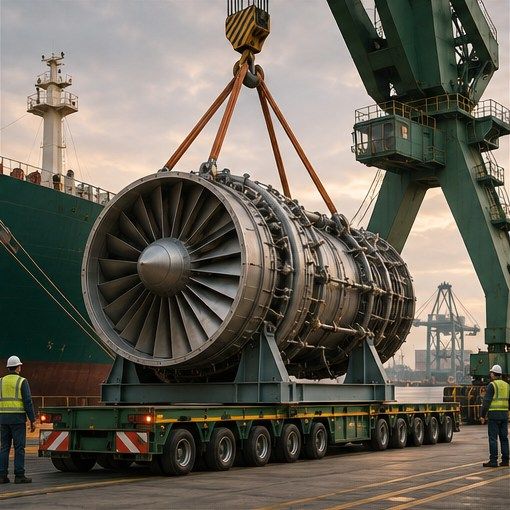
A heavy machine may fit the transport equipment but still be difficult to unload. Share a drawing, the packed weight, site photos and access details so the route and final handoff can be assessed together.
Provide dimensions, unit weights, centre of gravity and lifting points where available.
Describe access, turning space, overhead restrictions and the planned unloading position.
Clarify who arranges equipment, permits or escorts where needed, and who handles loading and unloading.
Start early when cargo is heavy, oversized or difficult to handle. Accurate load data and site information help determine what can be moved and what must be arranged first.
Equipment and permits are assessed against the planned movement and should be listed explicitly in the agreed scope.
Yes. Mark preliminary figures as estimates and update them before equipment or routing is confirmed.
Share the transfer point and the expected handling needs. Suitable arrangements depend on the cargo, site and equipment availability.
Pictures of the gate, access road, loading area and final unloading position help explain the site. Include measured widths and heights where available. Operators still need to assess the load and site before equipment is agreed.
List the units in the order the installation team needs them. Identify items that must travel together, when the site can receive each load and where the remaining pieces can wait.